

♥ Wishlist


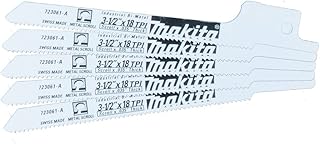


A Makita reciprocating saw is designed for fast, practical cutting across a wide range of renovation, construction and maintenance tasks. The reciprocating blade moves rapidly back and forth, making this type of saw particularly useful when working in areas where a circular saw or mitre saw may not be practical. It can be used for tasks such as cutting timber, removing old materials, trimming pipes and handling demolition work.
For Canadian shoppers, the right reciprocating saw depends on the type of work you regularly perform. Consider the material you need to cut, how often you use the tool, whether portability matters and whether you already have compatible batteries. Makita offers different saw configurations, allowing users to select a model that matches their working environment and cutting demands.
A cordless reciprocating saw can be a practical choice for contractors, renovators and DIY users who need freedom of movement. Without a power cord, you can work in areas where access to an electrical outlet is limited. Cordless models can also be convenient on construction sites, during outdoor projects and when moving frequently between cutting locations.
If you already use compatible Makita cordless tools, a battery-powered reciprocating saw may also fit naturally into your existing tool setup. Before choosing a model, check the required battery platform, battery availability and charger compatibility. Runtime can vary according to the material, blade, cutting pressure and battery capacity.
Corded reciprocating saws provide access to continuous electrical power while you work. This can be useful for longer cutting sessions where battery changes would be inconvenient. A corded model may suit workshop applications, renovation projects and jobs where an electrical supply is readily available.
When selecting a corded saw, consider the available power source and the length of extension cord required for the work area. Proper cable management is important when operating any corded power tool, particularly around construction materials and active workspaces.
Reciprocating saws are highly versatile because the appropriate blade can be selected for different materials. Depending on the saw and blade combination, common applications include cutting wood, metal, plastic, pipe and other construction materials. Demolition blades can also help remove unwanted framing, fittings and building materials.
The blade is an important part of the overall cutting system. Use a blade designed for the specific material and application. A suitable blade can improve cutting performance, while using the wrong blade may reduce efficiency and increase wear.
Stroke length describes how far the blade travels during its reciprocating movement. Cutting speed and stroke characteristics can influence how quickly a saw works through different materials. Compare these specifications based on the type of cutting you expect to perform rather than choosing solely by the highest number.
Variable speed control can provide greater control when starting a cut or working with different materials. Lower speeds may be useful for controlled cutting, while higher speeds can help with suitable applications where rapid material removal is preferred.
A convenient blade-changing mechanism can save time when moving between applications. This is especially useful for professionals who regularly switch between wood-cutting and metal-cutting blades during a project.
Reciprocating saws are often used for extended periods or in awkward positions. Consider the grip, overall balance, weight and control layout. A comfortable design can make the tool easier to manage during overhead, horizontal or confined-space cutting.
Canadian users may encounter a wide range of working conditions, from indoor renovations to outdoor construction and maintenance projects. A cordless model can offer useful mobility when working away from mains power, while a corded saw can provide continuous operation where electricity is convenient.
Temperature and jobsite conditions can also affect battery-powered equipment. If you rely on cordless tools during colder conditions, follow the manufacturer's battery and operating recommendations. Store batteries appropriately and select the battery capacity that makes sense for the expected workload.
Start by identifying your main applications. For occasional household repairs, a compact and easy-to-handle model may be sufficient. For frequent demolition or professional construction work, you may prefer a saw with specifications suited to heavier applications. If portability is important, compare cordless options. If continuous operation is the priority, consider corded equipment.
Also consider the blades you will use, battery compatibility, tool weight and available accessories. Comparing these factors together provides a better basis for choosing a reciprocating saw than focusing on a single specification.
A Makita reciprocating saw can be a useful addition to a workshop, renovation kit or professional tool collection. The right model should match your materials, cutting frequency, preferred power source and working environment. Review the available options carefully and compare specifications before making a purchase.
For Canadian shoppers, also consider the overall ownership requirements, including compatible batteries, replacement blades and accessories. With the right combination of saw and blade, a reciprocating saw can provide a practical solution for both precise cutting tasks and demanding demolition work.
Find the right Makita reciprocating saw for renovation, demolition, construction and general cutting work in Canada. This category brings together reciprocating saw options suited to different cutting requirements, jobsite conditions and user preferences. Whether you need a cordless saw for portable work or a corded model for a consistent power source, choosing the right specification can make demanding cuts easier and more efficient.