
♥ Wishlist
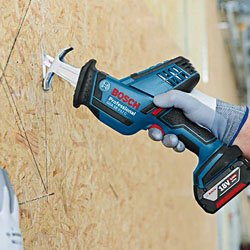
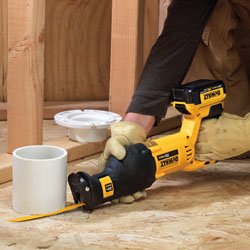
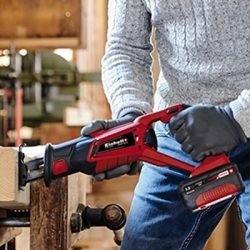
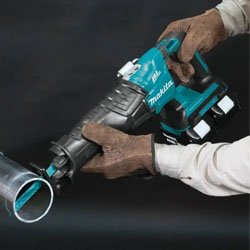
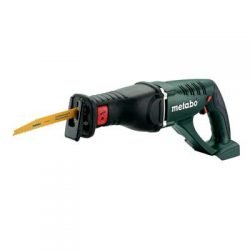
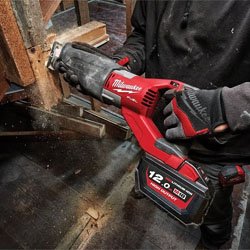
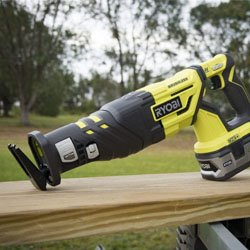


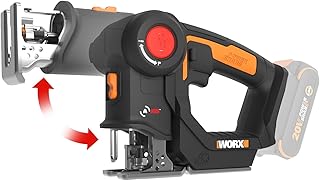


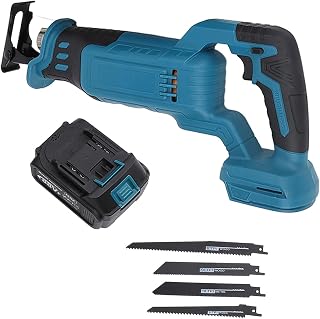
A cordless reciprocating saw is a versatile power tool built for fast, aggressive cutting where portability matters. Often called a recip saw or sawzall-style saw, it uses a back-and-forth blade motion to cut through materials such as wood, metal, plastic, drywall and selected building materials. Because there is no power cord to manage, a cordless model is particularly useful when working outdoors, moving around a renovation site or cutting in areas where access to mains power is inconvenient.
For Canadian shoppers, choosing the right cordless reciprocating saw starts with understanding the type of work the tool will perform. A compact model can be easier to control when working overhead, inside tight spaces or around existing installations. A larger saw may be preferable for demanding demolition and construction tasks where cutting speed and sustained performance are priorities. Matching the tool to the application can help improve productivity while making the saw more comfortable to use.
Battery compatibility is one of the most important considerations when comparing cordless reciprocating saws. If you already own compatible cordless tools, staying within the same battery platform may allow you to share batteries and chargers across your equipment. Battery capacity also affects practical runtime. Higher-capacity battery packs can be useful for extended cutting sessions, while smaller packs may help reduce overall tool weight.
Runtime depends on several factors, including material, blade type, cutting technique and the condition of the battery. For frequent demolition or heavy cutting, consider a system that offers suitable battery capacity and efficient motor technology. Brushless motors are also worth considering because they are designed to deliver efficient performance with fewer wear components than traditional brushed motor designs.
Look beyond battery voltage when comparing cutting performance. Stroke length describes how far the blade travels during each reciprocating cycle, while strokes per minute indicate how quickly those cycles occur. A longer stroke can be useful for aggressive cutting, while variable-speed control gives the user greater ability to adapt the tool to different materials.
Blade selection is equally important. Reciprocating saw blades are available for applications including wood, metal, demolition and mixed materials. Using an appropriate blade can make a noticeable difference in cutting efficiency and blade life. If your work involves several materials, a saw with easy, tool-free blade changes can make switching between applications faster and more convenient.
Ergonomics can become especially important during longer cutting sessions. Look for a balanced design, comfortable grip and controls that are easy to reach while wearing work gloves. Vibration management can also improve comfort when the saw is used repeatedly. An adjustable shoe can provide additional support against the workpiece and help users maintain control during a cut.
Some models offer orbital action or other adjustable cutting modes. These features can be useful when the priority changes between faster material removal and more controlled cutting. LED work lights may also help illuminate the cutting area when working in enclosed spaces, basements, renovation zones or other locations with limited visibility.
Cordless reciprocating saws are useful for a broad range of jobs. Renovators may use them for removing old framing, cutting through drywall or dismantling fixtures. Construction professionals can use them for rough cutting and demolition. Plumbers and electricians may appreciate the ability to make cuts around pipes, conduit and other installed components. With an appropriate pruning blade, the same general tool format can also be useful for cutting branches and outdoor materials.
When comparing options, consider your typical materials, cutting frequency, available battery platform and preferred tool size. Think about whether you need maximum demolition performance or a lighter tool for occasional repairs and maintenance. Features such as brushless motor technology, variable speed, tool-free blade changes, adjustable shoes and vibration control can help narrow the selection.
Explore the cordless reciprocating saw category to compare suitable options for Canadian projects. By focusing on application, battery compatibility, cutting specifications, comfort and useful features, you can choose a saw that fits the way you work rather than selecting solely by headline specifications.
Make demanding cutting work easier with a cordless reciprocating saw designed for mobility, control and quick access to difficult areas. Whether you are handling renovation work, demolition, construction, plumbing, electrical installations or outdoor cutting, a cordless reciprocating saw can provide the versatility needed for a wide range of materials and applications. Explore the category to compare battery systems, cutting performance, ergonomics and useful features before choosing the right saw for your work in Canada.