

♥ Wishlist


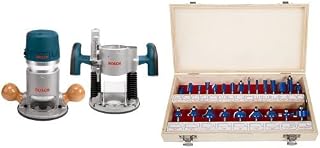


A Bosch corded planer is an electric woodworking tool designed to remove controlled amounts of material from timber and other suitable wood surfaces. By using a mains power connection, a corded planer can deliver continuous power throughout a project without the need to stop for battery replacement or recharging. This makes the category particularly useful for Canadian woodworkers, carpenters, renovators, contractors, and DIY users who need dependable performance for repeated planing tasks.
Whether you are correcting an uneven board, refining an edge, trimming a door, preparing lumber, or creating a smoother finished surface, an electric planer can make material removal faster and more consistent than manual planing. Bosch planers are associated with practical features such as adjustable cutting depth, ergonomic handling, durable construction, precision blades, and accessory compatibility. Exact specifications vary by model, so it is important to review the individual product listing before purchasing.
The main advantage of a corded planer is uninterrupted electrical power. For workshop users who regularly work near a suitable outlet, this can be more convenient than managing batteries. A corded design can also be a sensible option for longer woodworking sessions where consistent operation is more important than cordless mobility.
Bosch corded planers are designed for controlled material removal and accurate surface preparation. Adjustable depth settings allow users to select a suitable cut for the task, while sharp planer blades help produce a smooth and even result. Depending on the model, features may also include guide fences, dust collection connections, ergonomic grips, and reversible or replaceable blades.
Motor performance is an important consideration when choosing an electric planer. Consider the type of timber you normally work with, the amount of material you need to remove, and how frequently the tool will be used. A suitable motor should provide enough power for your intended applications without making the tool unnecessarily difficult to control.
Cutting width affects how much material can be removed in a single pass, while adjustable depth determines how aggressively the planer cuts. For general carpentry and edge work, a compact handheld planer may be convenient. Larger or more demanding projects may benefit from a model with specifications suited to wider boards and repeated material removal.
Planer control matters because the tool needs to remain stable as it travels across the workpiece. Look for an ergonomic grip, balanced construction, accessible controls, and a comfortable operating position. These characteristics can help reduce fatigue during longer woodworking sessions.
Planing produces wood chips and dust, so dust management can make a noticeable difference in workshop cleanliness. Depending on the model, a planer may support a dust bag or connection to a compatible extraction system. Always verify the included accessories and connection requirements for the specific product you select.
A Bosch corded planer can be useful for a variety of woodworking applications. Common tasks include smoothing rough timber, reducing board thickness, levelling uneven wood, trimming door edges, refining joints, preparing reclaimed lumber, and creating controlled bevels or chamfers. The tool can be particularly useful during renovation work when an existing wooden component needs a precise adjustment.
For best results, secure the workpiece firmly and remove material gradually rather than attempting an unnecessarily deep cut in one pass. Follow the manufacturer's operating instructions and use appropriate eye, hearing, and respiratory protection for the working environment.
Start by identifying the type of work you expect to perform. Occasional DIY projects may call for a straightforward handheld planer, while professional carpentry or frequent renovation work may justify a model with more robust specifications. Compare cutting width, maximum cutting depth, motor specifications, weight, ergonomics, blade system, dust extraction compatibility, and included accessories.
Canadian shoppers should also check the product's electrical specifications and confirm that the model is appropriate for use with the available power supply. Product availability, pricing, included accessories, and warranty terms can vary, so review the current product listing before ordering.
When comparing options, focus on the specifications that directly affect your projects rather than choosing solely on brand or price. Consider how often you will use the planer, the dimensions and types of wood you typically handle, the required cutting depth, and whether portability or continuous power is more important. A carefully selected Bosch corded planer can be a valuable addition to a woodworking workshop or professional tool collection.
Browse the available options and compare the current product details to find a Bosch planer that matches your woodworking requirements in Canada.
Find the right Bosch corded planer for woodworking, carpentry, renovation, and detailed wood-surface preparation in Canada. Corded electric planers provide consistent mains-powered performance without battery charging, making them a practical choice for workshops, job sites, and DIY projects where dependable power is important. Explore planer options, compare specifications and features, and choose a model suited to your cutting width, depth requirements, material, and workload.